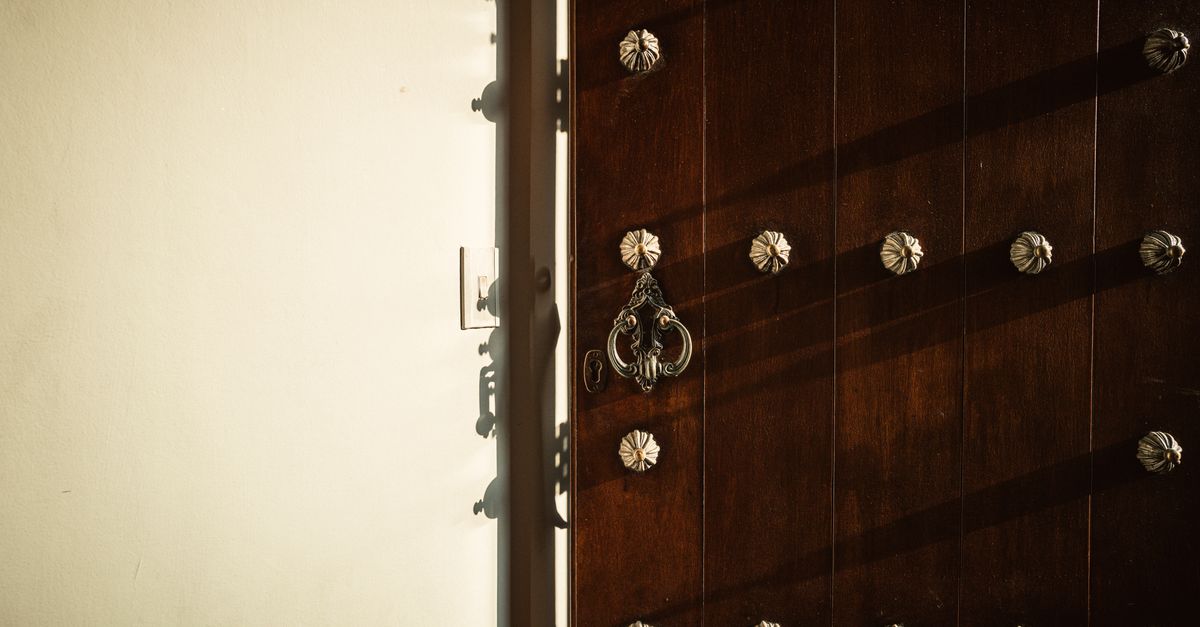

What Is a Mortise Lock and Why Does It Fail?
A mortise lock is a lock whose entire operating mechanism — latch bolt, deadbolt cam, spindle hub, and strike plate — lives inside a machined steel or brass case that is recessed into a mortised cavity in the door stile. Because every moving part is enclosed and the lock body itself is bolted from within, a properly installed mortise lock is significantly harder to force than a surface-mounted rim lock or a basic knob lock. You will find them on vintage Las Vegas bungalows built before the 1970s, on boutique hotels near Fremont Street, and on upscale commercial entries that demand both aesthetics and security. Brands like Corbin Russwin mortise locks and Baldwin mortise locks have set the standard for decades, and their hardware is still widely specified on new construction across the valley.
Despite their durability, mortise locks do develop problems. Las Vegas heat — routinely exceeding 110°F in summer — causes door frames to expand and contract, throwing the lock body out of alignment with the strike plate. Interior springs fatigue over years of use, causing a sluggish or non-retracting latch. The mortise lock cylinder itself can wear to the point where the key spins without engaging the cam, or a broken key can lodge deep in the plug. On sliding door mortise lock installations, repeated lateral stress on the hook bolt accelerates wear on the latch cam. Identifying whether the failure lives in the cylinder, the lock body, or the trim guides our repair approach and ultimately determines the scope of work needed.